
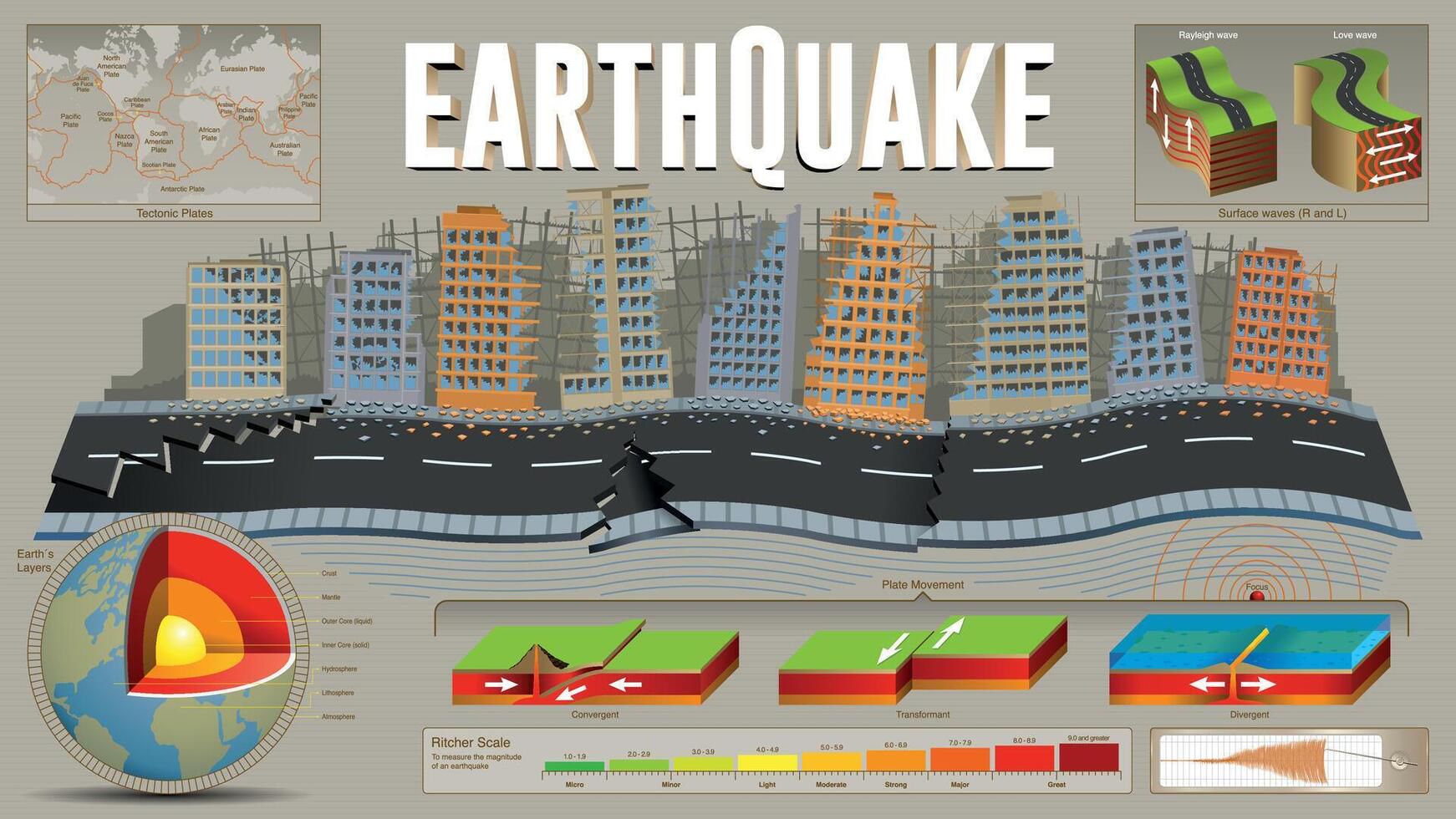
Have you ever tried drawing about earthquake? It sounds like an unusual task, but it’s surprisingly insightful. When I first attempted to draw an earthquake, I found myself struggling to capture its essence. Earthquakes are complex phenomena that involve the movement of tectonic plates beneath the earth's surface, causing the ground to shake violently. This experience taught me a lot about visualizing natural disasters and the importance of understanding their causes and effects.
Understanding the Basics
To begin drawing about an earthquake, it’s essential to understand the basics of what causes them. Earthquakes occur when there is a sudden release of energy in the Earth’s crust, which creates seismic waves. These waves can cause the ground to shake, sometimes violently. Tectonic plate boundaries are particularly prone to earthquakes because they are areas where the plates interact and move against each other. By familiarizing myself with these concepts, I was better equipped to create a detailed and accurate representation of an earthquake.
The Drawing Process
When I started drawing, I began by sketching the basic structure of the Earth’s layers. I included the crust, mantle, and core to provide context. Then, I focused on the tectonic plates, showing how they fit together and interact. To illustrate an earthquake, I depicted the movement of the plates, with arrows indicating the direction and speed of the movement. This helped me visualize the sudden release of energy and the resulting seismic waves.
Next, I added elements to represent the ground shaking. I used wavy lines to depict the seismic waves traveling through the Earth and the surface. To make the drawing more dynamic, I incorporated broken buildings and cracked roads, symbolizing the damage caused by the earthquake. This helped convey the intensity and impact of the event.
Insights and Practical Steps
Through this exercise, I gained a deeper appreciation for the complexity of earthquakes and the challenges involved in predicting and mitigating their effects. Drawing about an earthquake also highlighted the importance of scientific understanding and visualization in communicating these phenomena to others. Here are some practical steps you can take:
- Research the science behind earthquakes to gain a solid foundation.
- Use simple, clear illustrations to represent the key components and processes.
- Incorporate real-world examples, such as famous earthquakes, to make the drawing more relatable.
By following these steps, you can create effective and informative drawings that help explain the intricacies of earthquakes.
Note: Make sure your drawings are not only visually appealing but also scientifically accurate. This will enhance their educational value.
Remember, drawing about an earthquake is not just about creating a beautiful image; it’s about conveying important information and fostering a better understanding of these powerful natural events. So, the next time you pick up a pencil, consider the power of visual storytelling in explaining the complex world around us.
Related Terms:
- drawing about earthquake warning
- drawing about earthquake drill
- drawing about earthquake in philippines
- drawing about earthquake risk
- drawing about earthquake proof
- drawing about earthquake safety


